Things to Do in Catania
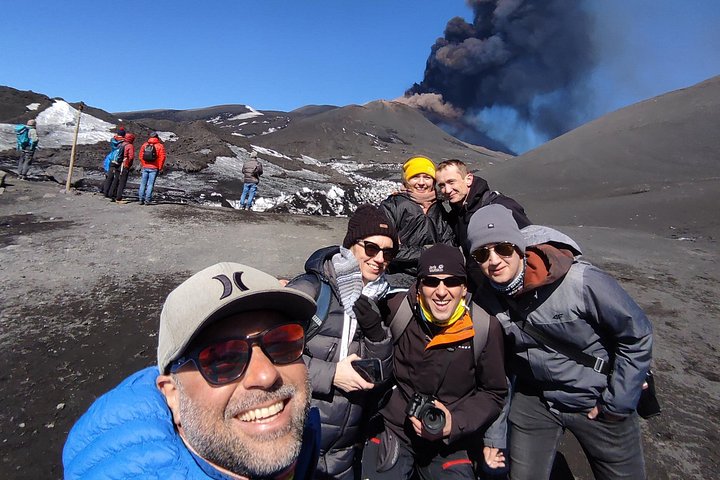
Black-lava baroque where lemons glow and Etna still smokes
Top Things to Do in Catania
Find activities and tours you'll actually want to do. Book through our partners -- no booking fees.

Plan Your Trip
Essential guides for timing and budgeting
Climate Guide
Best times to visit based on weather and events
View guide →Day Trips
The best excursions and nearby destinations worth the journey
Explore day trips →Where to Stay
Best neighbourhoods, hotel picks, and booking tips
Find hotels →Travel Insurance
What's required, what coverage matters, and how to get a quote
Read guide →What to Pack
Climate-specific gear, essentials, and what to leave at home
See packing list →When Should You Visit Catania?
Tap a month for weather, crowds, and highlights
View full year-round climate guide →
Your Guide to Catania
About Catania
Catania greets you with citrus, diesel, salt. Then brimstone drifts from Etna. Black lava on Via Etnea burns even in March. It stays warm until midnight. Sun ricochets off marble saints. Balconies carved from volcanic stone glow. At the pescheria behind Piazza del Duomo, swordfish heads stare skyward. Vendors call prices in chewy dialect.
Three euros buys raw red shrimp. Ten euros gets a kilo of clams. The city rebuilds every few centuries. Lava, earthquake, lava again. Norman walls prop up 18th-century facades. Communist graffiti drips down baroque churches. Drink almond-milk granita at nine. Eat horse-meat meatballs at two. Swim in the Ionian at four.
Reach a rooftop bar by sunset. Smoke from Etna turns rose-gold. Same lava destroyed the city in 1669. The trade-off is grit. Scooters spit exhaust against sandstone saints. Morning market smells of fish guts and diesel. That grit keeps Catania honest. Cheap too. Eat like a prince on a student budget. Locals never leave. Visitors come back.
Travel Tips
Transportation: Buy an AMT day-pass for €2.50. Download the app before landing. Ticket machines at Fontanarossa airport are always broken. The Alibus to Stazione Centrale runs every 25 minutes. It costs €4. Local bus 524 does the same route for €1. You might stand. In town, walk the lava-stone grid. The city center is barely two kilometers wide. Parking costs €2.50 per hour at meters painted blue. Skip taxis from the airport. They'll quote €35 for a €15 journey.
Money: Cards work everywhere. Except the morning fish market. And the cannoli cart on Via Garibaldi. ATMs charge €3.50 per withdrawal. Pull larger amounts from Banca Nuova machines near the university. Their fees stay under €2. Street food runs €1-4. Restaurant mains €8-14. Tipping isn't expected. Locals leave the small coins from change. Sunday everything closes except bars. Stock up Saturday evening.
Cultural Respect: Cover shoulders and knees at Duomo di Sant'Agata. Guards hand out paper shawls. The line stretches around the piazza. During Festa di Sant'Agata (Feb 3-5), every balcony drips white sheets. The city shuts down. Book hotels months ahead. Or arrive after the 6th. Never order cappuccino after 11 AM. Unless you want a lecture on digestion. At markets, touch produce only with your eyes. Vendors will select the best pieces.
Food Safety: Arancini from the cart outside Teatro Massimo sell out by 1 PM. The oil is changed daily. Ragù stays hot enough to sterilize spoons. Eat raw red shrimp only at La Pescheria. Go before 10 AM. They're still twitching. Granita melts fast. The best stands use stainless-steel tubs. Not plastic. Usually on Via Etnea between Piazza Università and Villa Bellini. Avoid anything labeled 'turista menu'. It's twice the price. Half the flavor.
When to Visit
April and October give you 22-26°C days (72-79°F). Etna's snow stays visible. Hotel prices drop 30% from peak summer. Those climb to €180-220 for central three-stars. May through September stays hot. August peaks at 38°C (100°F). Locals escape to the beaches at Playa di Catania. Reachable by bus 534 for €1.20. Winter is mild at 15-18°C (59-64°F).
Rains hard. Pack a jacket. Stone streets stay slick for days. Festa di Sant'Agata floods the city February 3-5. Rooms triple and sell out nine months ahead. The candlelit procession through lava-stone streets is worth the premium. November sees the olive harvest. Day trips to Mount Etna cost €35-45. Summer charges €65.
March brings almond blossoms. Empty beaches too. July means sea urchin season. Beach clubs charge €20 for two sunbeds. Budget travelers should aim for late October. Summer heat lingers. Flights from mainland Europe drop 40%. You can still swim through early November. Water hits 22°C (72°F).
More Ways to Experience Catania
Tours, day trips, and local experiences curated by on-the-ground operators.
Didn't see anything interesting yet?
Browse Viator's full catalog of tours, day trips, food experiences, and private guides in Catania.
See All Catania Tours on Viator